Veggie Sushi Lunch Rolls
Highlighted under: Universal Food Recipes
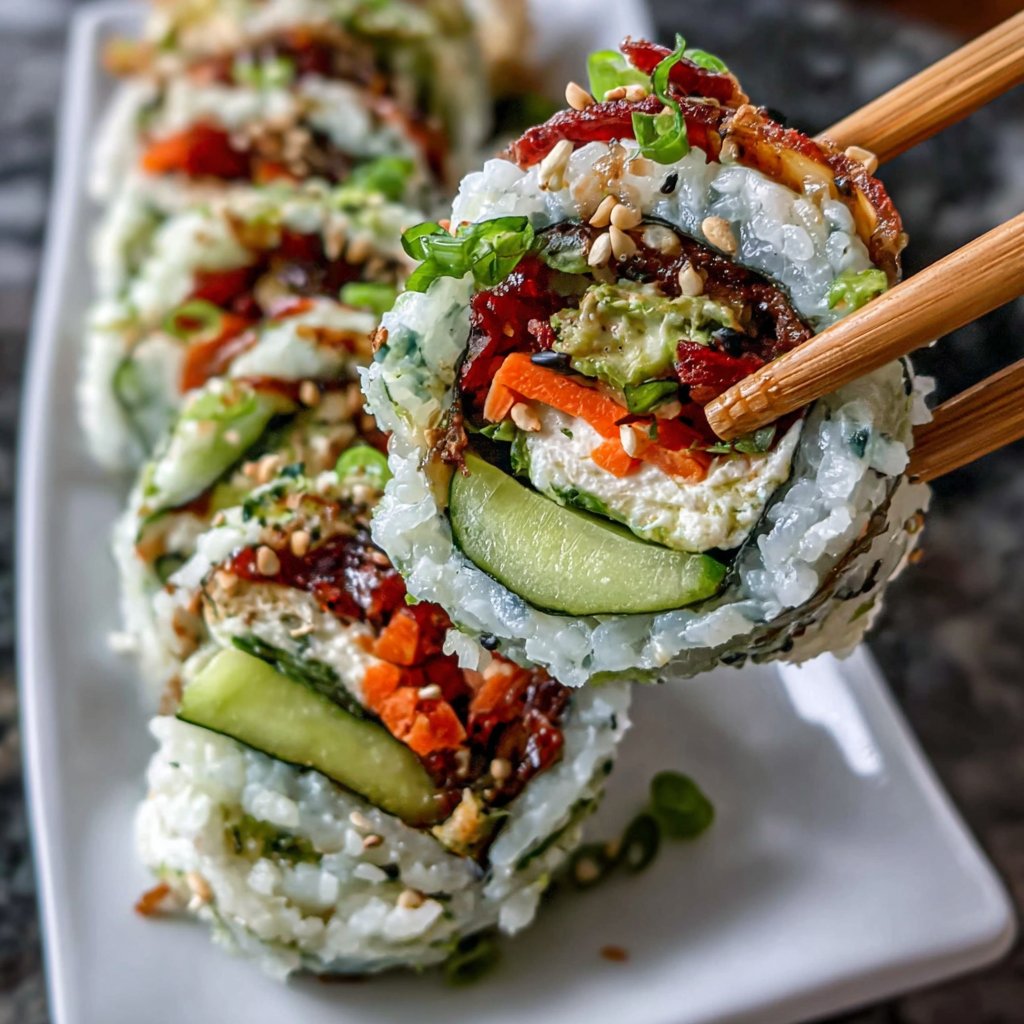
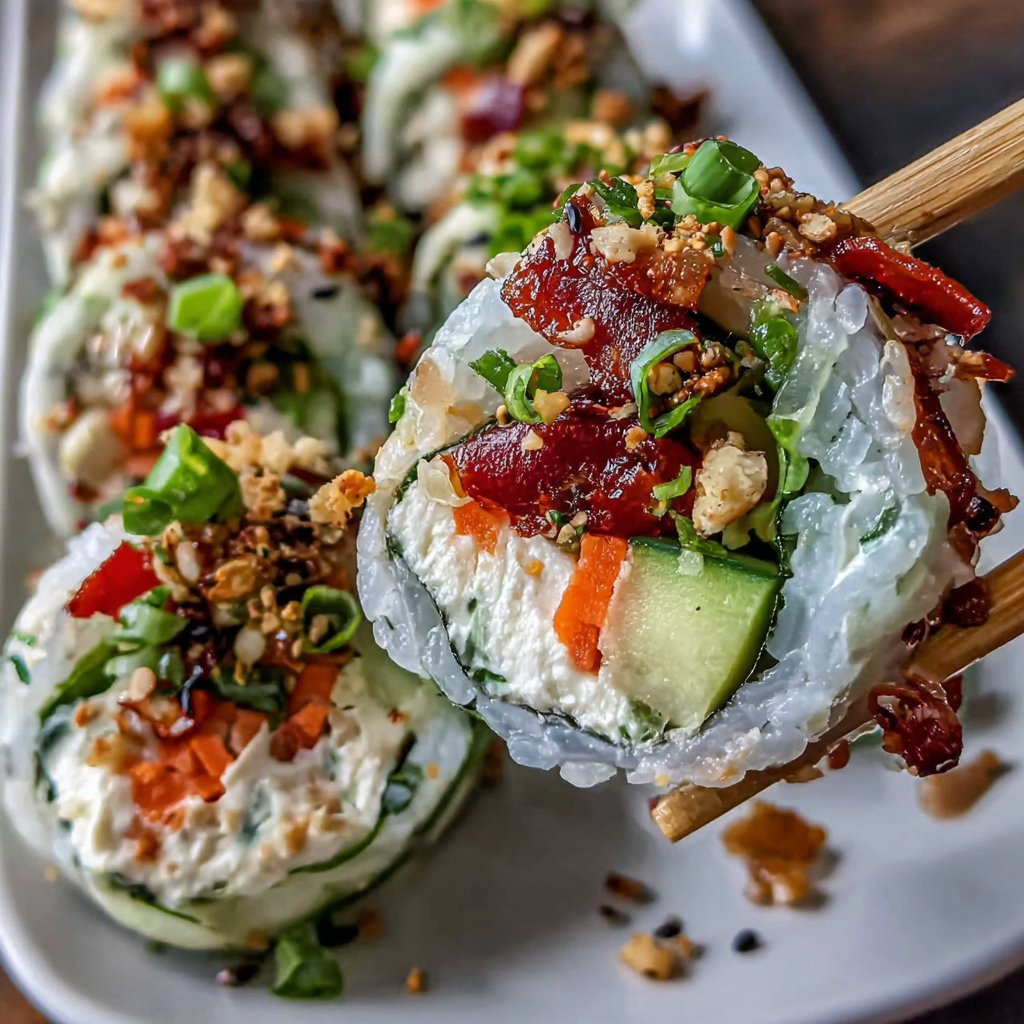
I love making Veggie Sushi Lunch Rolls because they’re not only delicious but also a fun project in the kitchen. The vibrant colors and fresh flavors of the vegetables add a beautiful touch to my meals, and rolling sushi is always a great way to get creative. Plus, these rolls are perfect for meal prep; I can whip up a batch and enjoy them throughout the week. Whether I’m packing them for lunch or serving them at a gathering, they always impress.
Creating these Veggie Sushi Lunch Rolls was a delightful experience for me. I experimented with a variety of vegetables, finally settling on crisp cucumbers, ripe avocado, and vibrant bell peppers. The freshness of the ingredients truly elevates the dish. I found that a splash of rice vinegar in the rice added an extra zing that really complemented the veggies.
Rolling them took a little practice, but I learned to keep them tight without squeezing too hard. Using a bamboo mat makes it a breeze, ensuring even rolls every time. The end result is a colorful platter that is as satisfying to look at as it is to eat!
Why You'll Love These Rolls
- Packed with fresh, crunchy vegetables for a burst of flavor
- Easily customizable to suit your taste preferences
- Perfect for a nutritious lunch or a vibrant party platter
Mastering the Rice
A critical component of the Veggie Sushi Lunch Rolls is the sushi rice, which should have a sticky consistency that holds the rolls together well. When rinsing, ensure that you remove excess starch by rinsing the rice until the water runs completely clear. This prevents the rice from becoming gummy during cooking. After cooking according to package instructions, let it cool for about 10-15 minutes before mixing in the rice vinegar. This combination not only flavors the rice but also helps it to clump perfectly when you roll the sushi.
While using sushi rice is traditional, you can substitute with short-grain brown rice for a healthier option, though it will slightly alter the texture and flavor. If opting for brown rice, increase the cooking time by about 10 minutes and ensure you soak it for at least 30 minutes before cooking to soften the grains. The vinegar can be adjusted according to preference; for a sweeter hint, a touch of sugar can be added.
Choosing and Preparing Vegetables
The vegetables chosen for these sushi rolls not only add color but also a variety of textures and flavors that enhance the overall eating experience. Crisp cucumbers provide a refreshing crunch, while avocado adds a creamy element that balances the other ingredients. When preparing the vegetables, aim for uniform cuts to ensure even distribution throughout the rolls; this makes every bite a flavorful experience. You can experiment with additional fillings like radishes or sprouts for added complexity.
If you want to add more protein, you might consider incorporating tofu or tempeh. Simply marinate them in soy sauce and pan-fry until golden for a delicious addition. Keep in mind that when incorporating multiple fillings, it’s crucial not to overstuff the rolls, as this can make them difficult to roll and may lead to messy servings.
Rolling Techniques and Serving Suggestions
Rolling sushi might seem daunting, but with practice, it becomes an enjoyable part of the process. When spreading the sushi rice, wet your hands with a little water to prevent sticking. Simply take a small amount and spread it evenly across the nori, leaving about an inch from the top edge. Use the bamboo mat to help guide the roll; as you fold, use gentle pressure to maintain shape without squishing the ingredients. A firm but gentle roll will yield the best results, about 2-3 tight rolls should do it.
When serving, consider pairing with more than just soy sauce. Offer a variety of dips such as wasabi, or even a sesame ginger dressing for a twist. These sushi rolls can be beautifully arranged on a platter, making them a striking centerpiece for any meal. If you have leftovers, store them in an airtight container in the refrigerator and consume them within 24 hours for optimal freshness.
Ingredients
Gather your ingredients to make these delicious veggie sushi rolls:
Ingredients
- 2 cups sushi rice
- 1/4 cup rice vinegar
- 4 seaweed sheets (nori)
- 1 cucumber, julienned
- 1 avocado, sliced
- 1 bell pepper (red or yellow), sliced
- 1 carrot, grated
- Soy sauce for dipping
- Pickled ginger (optional)
Prepare all ingredients and get ready to roll!
Instructions
Follow these steps to create your Veggie Sushi Lunch Rolls:
Prepare the Sushi Rice
Rinse the sushi rice under cold water until the water runs clear. Cook the rice according to package instructions, then let it cool slightly. Stir in the rice vinegar to add flavor and stickiness.
Prep the Vegetables
While the rice cools, wash and prepare all your vegetables. Julienne the cucumber, slice the avocado, and grate the carrot. Set everything aside.
Roll the Sushi
Lay one nori sheet on a bamboo sushi mat, shiny side down. Spread a thin layer of rice over the nori, leaving the top edge free. Arrange a line of your prepared vegetables in the center of the rice.
Slice and Serve
Starting from the bottom, carefully roll the sushi away from you, using the mat to press it into a tight roll. Once rolled, use a sharp knife to slice the roll into 6-8 pieces. Serve with soy sauce and pickled ginger.
Enjoy your sushi rolls fresh or store them for later!
Pro Tips
- Feel free to experiment with other veggies like bell peppers, radishes, or even cooked shrimp for variation.
Make-Ahead Tips
These Veggie Sushi Lunch Rolls are a fantastic option for meal prep, allowing you to save time while still enjoying fresh, delicious food throughout the week. You can prepare the sushi rice and vegetables a day in advance. Store the rice in the fridge in an airtight container and the vegetables in a separate container, ensuring they remain fresh and crisp until you’re ready to use them.
When you're ready to roll your sushi, simply bring the rice to room temperature, as cold rice can be hard to work with. You can also consider wrapping prepared rolls in plastic wrap to maintain freshness if you plan to eat them later in the day. Just remember, the fresher the ingredients, the better the rolls will taste.
Variations for Customization
To give your sushi rolls a unique twist, consider trying different types of fillings based on seasonal vegetables or your personal favorites. For instance, sweet potato, bell pepper, or even pickled vegetables can add varied flavors and textures. Experimenting with different color combinations not only makes your meal visually appealing but also enriches the taste profile of each bite.
For a more gourmet version, think about adding a drizzle of spicy mayo or sriracha over the top of the rolls after slicing. This small addition can elevate your sushi rolls, bringing a delightful kick that complements the freshness of the vegetables beautifully. Don’t be afraid to mix and match – the possibilities are endless when it comes to sushi!
Storage and Freezing
Freshly made sushi rolls are the best, but if you have leftovers, it’s important to store them correctly. Ideally, store your rolls in a covered container in the refrigerator for up to a day. If you wait longer, the nori can become soggy. For prolonged storage, it's best to freeze the sushi rolls wrapped tightly in plastic wrap and then in foil. Keep in mind, however, that freezing may alter the texture and freshness upon defrosting.
When ready to eat the frozen rolls, allow them to thaw in the refrigerator overnight for the best results. For a quick thaw, you can leave them at room temperature for 30-45 minutes before serving. The key takeaway is to enjoy them fresh whenever possible, as that will deliver the perfect combination of flavors and textures.
Questions About Recipes
→ Can I use brown rice instead of sushi rice?
Yes, you can use brown rice, but it may require extra cooking time and won't be as sticky.
→ How can I keep the rolls from drying out?
Cover the rolls with a damp cloth until you're ready to serve, and store leftovers in an airtight container in the fridge.
→ Are these rolls vegan?
Yes, all the ingredients used are plant-based, making these rolls perfect for a vegan diet.
→ What can I serve with sushi rolls?
Traditional accompaniments are soy sauce, wasabi, and pickled ginger, but you can also serve them with a salad or fresh fruit.
Veggie Sushi Lunch Rolls
Created by: The Chefzoeskitchen Team
Recipe Type: Universal Food Recipes
Skill Level: Beginner
Final Quantity: 4 servings
What You'll Need
Ingredients
- 2 cups sushi rice
- 1/4 cup rice vinegar
- 4 seaweed sheets (nori)
- 1 cucumber, julienned
- 1 avocado, sliced
- 1 bell pepper (red or yellow), sliced
- 1 carrot, grated
- Soy sauce for dipping
- Pickled ginger (optional)
How-To Steps
Rinse the sushi rice under cold water until the water runs clear. Cook the rice according to package instructions, then let it cool slightly. Stir in the rice vinegar to add flavor and stickiness.
While the rice cools, wash and prepare all your vegetables. Julienne the cucumber, slice the avocado, and grate the carrot. Set everything aside.
Lay one nori sheet on a bamboo sushi mat, shiny side down. Spread a thin layer of rice over the nori, leaving the top edge free. Arrange a line of your prepared vegetables in the center of the rice.
Starting from the bottom, carefully roll the sushi away from you, using the mat to press it into a tight roll. Once rolled, use a sharp knife to slice the roll into 6-8 pieces. Serve with soy sauce and pickled ginger.
Extra Tips
- Feel free to experiment with other veggies like bell peppers, radishes, or even cooked shrimp for variation.
Nutritional Breakdown (Per Serving)
- Calories: 210 kcal
- Total Fat: 7g
- Saturated Fat: 1g
- Cholesterol: 0mg
- Sodium: 270mg
- Total Carbohydrates: 34g
- Dietary Fiber: 4g
- Sugars: 2g
- Protein: 4g