Pesto Pasta with Roasted Veggies
Highlighted under: Universal Food Recipes
Pesto Pasta with Roasted Veggies
Pesto Pasta with Roasted Veggies
Pesto Pasta with Roasted Veggies
Selecting the Right Vegetables
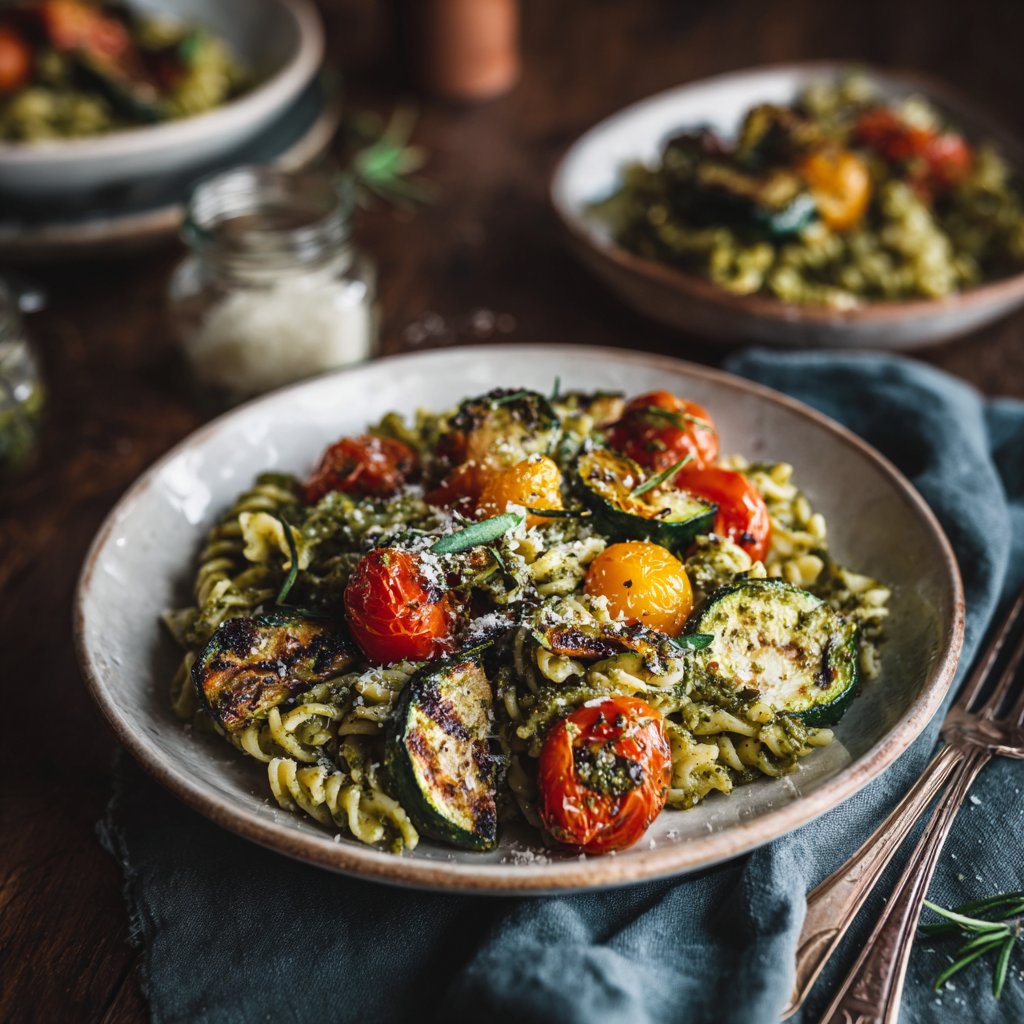
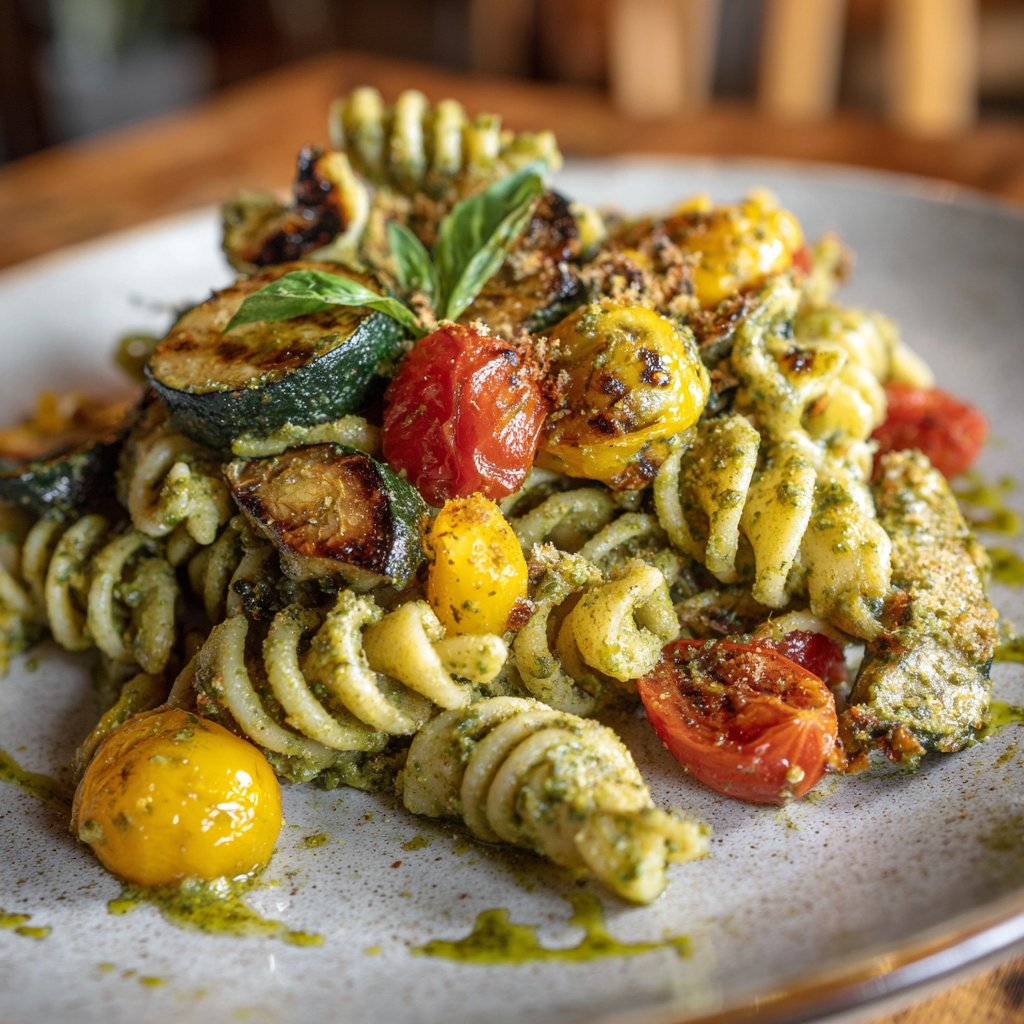
When roasting vegetables for your pesto pasta, it’s vital to choose ones that can withstand high heat without losing their flavor or texture. Bell peppers, zucchini, and cherry tomatoes are excellent options. Aim for roughly equal-sized pieces for even cooking. Roast them at 425°F (220°C) for about 20-25 minutes or until they are caramelized with golden edges. This process intensifies their sweetness and adds a depth of flavor that beautifully complements the herby pesto.
To elevate the taste, consider adding a sprinkle of salt and a drizzle of olive oil on the vegetables before roasting. This enhances their natural flavors and helps in achieving a slight crispness. If you’re looking for a smoky flavor, toss in some sliced red onions or even eggplant. Remember, certain vegetables like asparagus or broccoli may require shorter roasting times, so monitor them closely to avoid overcooking.
Perfecting the Pesto
The key to a vibrant and flavorful pesto lies in using fresh basil and high-quality olive oil. When blending the ingredients, pulse them in short bursts to maintain some texture. A food processor is typically best for this, but if you prefer a smoother consistency, blend longer. Add the olive oil gradually while blending to help emulsify the ingredients, resulting in a glossy sauce that clings beautifully to the pasta.
If you’re looking to customize your pesto, consider substituting pine nuts with walnuts or pecans for a different flavor profile. Nutritional yeast can replace Parmesan for a vegan version without sacrificing umami notes. A squeeze of lemon juice will add brightness, making every bite feel balanced. Remember to taste and adjust the seasoning, adding salt or pepper as necessary.
Serving Suggestions and Storage Tips
When it comes to serving your pesto pasta with roasted veggies, consider garnishing with extra Parmesan, pine nuts, or a drizzle of fresh olive oil for a gourmet touch. Pair it with a side salad for a complete meal, and it’s perfect for impressing guests or enjoying a cozy dinner at home. If you're hosting, consider setting up a pasta bar with various toppings such as grilled chicken, olives, or fresh herbs for guests to customize their plates.
If you have leftovers, this dish can be stored in an airtight container in the refrigerator for up to three days. To reheat, gently warm on the stovetop over low heat, adding a splash of water or broth to bring back moisture. This dish is also suitable for freezing; just keep in mind that the texture of the vegetables may change when thawed. Simply portion it out and keep for up to two months for a quick meal option.
Ingredient Spotlight: Pasta Choices
Choosing the right pasta can elevate your pesto dish. While traditional options like spaghetti or linguine work well, consider using whole grain or chickpea pasta for added nutrition. These alternatives provide a nutty flavor and more fiber, which can enhance the overall meal. Cook according to package instructions, but remember to reserve a bit of pasta water before draining; this starchy liquid can be added to the pesto to help it adhere to the pasta.
If you are gluten-free, explore options like zucchini noodles or quinoa pasta. Zucchini noodles, also known as zoodles, provide a fresh and light base, while quinoa pasta offers a protein-packed alternative. Both can hold the pesto sauce beautifully, ensuring you don't miss out on that delicious flavor.
Troubleshooting Common Issues
If your pesto appears too thick, it may not coat the pasta well. This is easily fixable! Just add a bit of reserved pasta cooking water and blend it in until you reach your desired consistency. Conversely, if it’s too runny, try incorporating a touch more fresh basil or nuts to thicken it up. Don't hesitate to adjust as needed; your taste buds are your best guide.
In case you’ve accidentally over-roasted your veggies, which can happen, simply toss them with a bit of balsamic vinegar after roasting to reintroduce moisture and balance the flavors. Keep a close watch on the oven timer, as different vegetables can cook at varying times; always check for doneness by gently piercing with a fork.