Global Japanese Sushi Rolls
Highlighted under: Universal Food Recipes
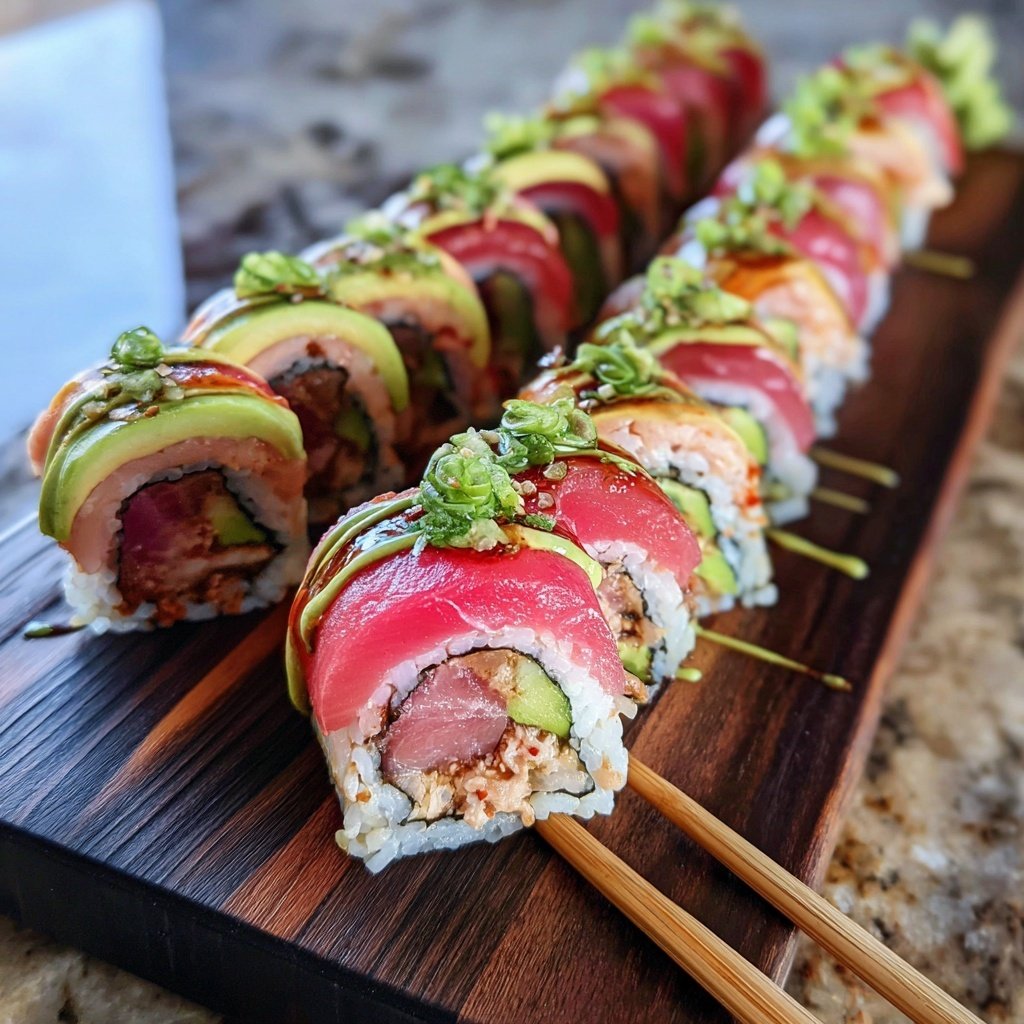
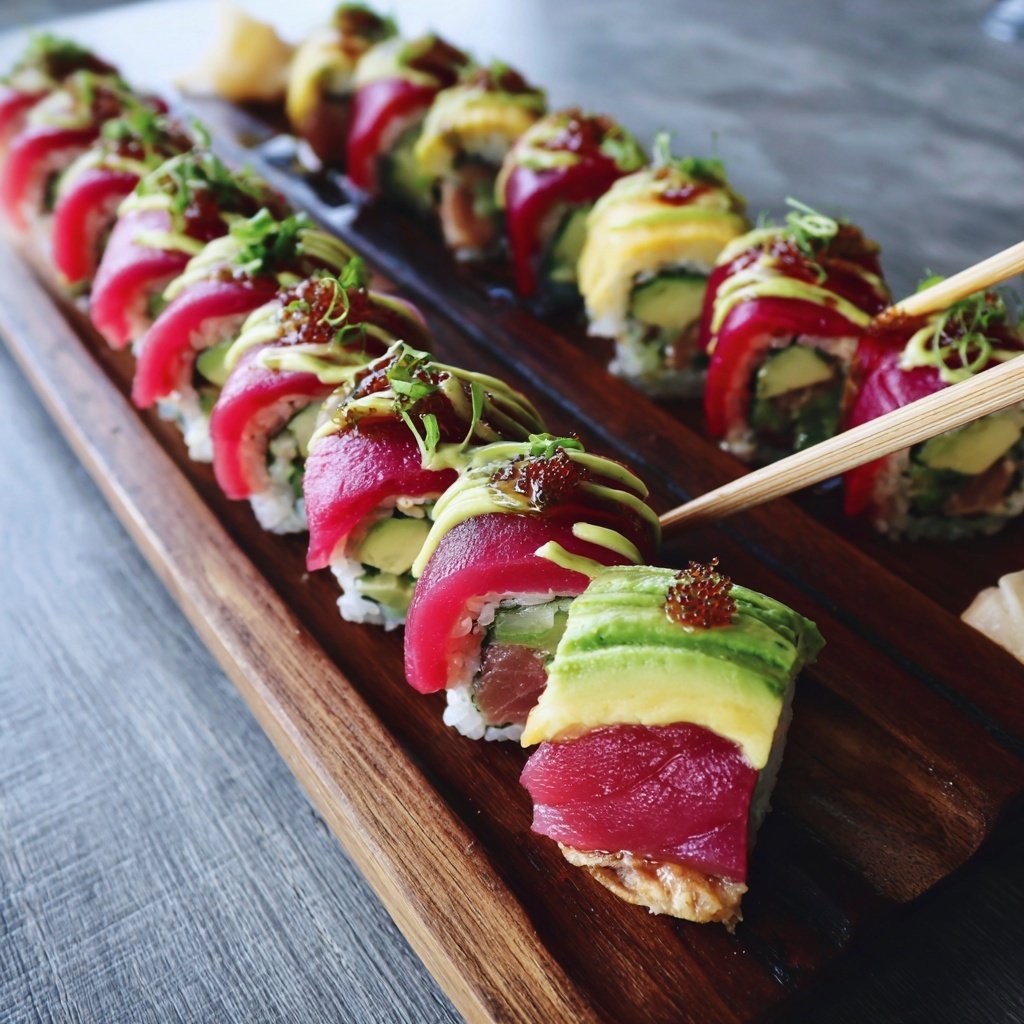
I love making sushi at home because it allows me to experiment with flavors and combinations that I might not find in a restaurant. These Global Japanese Sushi Rolls are a fun twist on traditional sushi, incorporating unique ingredients that reflect different culinary influences. They’ve become a staple in my kitchen, and I particularly enjoy the process of rolling them up. It’s a creative outlet, and the final result is both visually stunning and delicious. Plus, they are perfect for sharing at gatherings or as a special treat any day of the week!
During my experiments with sushi, I discovered that blending global flavors can elevate a traditional dish to new heights. I remember incorporating ingredients like mango and cream cheese, which added a delightful twist that surprised everyone at the dinner table. Using high-quality sushi rice and fresh ingredients is essential for achieving the perfect texture and taste.
This recipe encourages creativity, letting you craft rolls that suit your personal preferences. I often invite friends over for sushi-making nights, where we share ideas and try out new fillings, making it a fun and interactive experience.
Why You'll Love These Sushi Rolls
- A fusion of flavors that celebrates culinary diversity
- Fresh ingredients that burst with flavor in every bite
- Fun and interactive to make with friends or family
Understanding Sushi Rice
Sushi rice is the foundation of any great sushi roll, and its preparation plays a critical role in the final product. When rinsing the sushi rice, make sure to remove excess starch until the water runs clear; this will prevent the rice from becoming gummy. After cooking, the rice should be sticky enough to hold together but not overly mushy. A cooler rice temperature (around room temperature) makes it easier to handle and spread onto nori sheets.
The addition of rice vinegar, sugar, and salt after cooking gives sushi rice its distinctive flavor. I recommend letting the rice absorb these ingredients for at least 10-15 minutes before using it, as this will allow the flavors to meld. If you prefer a slight sweetness, you can adjust the sugar to suit your taste, which can be especially delightful when paired with savory ingredients like cream cheese or seafood.
Rolling Techniques
The rolling process can be challenging for beginners, but with practice, it becomes easier and more intuitive. When spreading the sushi rice on the nori, use wet hands to keep the rice from sticking to your fingers. A thin layer is key; you don’t want it to overpower your fillings. Keeping a small border at the top of the nori helps seal the roll, preventing any spills during slicing.
If you find that your rolls are falling apart, two common culprits are too much filling or insufficient sealing. Aim for about 1-2 tablespoons of each filling per roll. After rolling, give the sushi a gentle squeeze using the bamboo mat to ensure everything holds together while still being careful not to compress it too tightly, as this can lead to a loss of texture.
Serving Suggestions and Variations
To elevate your dining experience, consider serving your sushi rolls with a variety of dipping options. While soy sauce is a classic, you can also experiment with spicy mayo or ponzu sauce to add an extra layer of flavor. Include pickled ginger and wasabi for those who enjoy a bit of heat and palate cleansing between bites; I like to serve these on the side for guests to customize their experience.
If you’re looking to make your sushi rolls more visually appealing, try garnishing them with sesame seeds or thin slices of green onion before slicing. Additionally, feel free to swap in seasonal ingredients or your personal favorites. For instance, substituting roasted red peppers for mango or using smoked salmon instead of shrimp can result in extraordinary flavor profiles that keep your sushi experience fresh and exciting.
Ingredients for Global Japanese Sushi Rolls
Sushi Rice and Fillings
- 2 cups sushi rice
- 2 1/2 cups water
- 1/4 cup rice vinegar
- 1 tablespoon sugar
- 1 teaspoon salt
- Nori sheets
- 1 ripe avocado, sliced
- 1 small cucumber, julienned
- 1 mango, diced
- 8 oz cream cheese, sliced
- Cooked shrimp, crab, or tofu (optional)
How to Prepare the Ingredients
Steps to Make Global Japanese Sushi Rolls
Prepare the Sushi Rice
Rinse the sushi rice under cold water until the water runs clear. Combine the rice and water in a rice cooker and cook according to the manufacturer's instructions. Once cooked, let it cool slightly before mixing in rice vinegar, sugar, and salt.
Assemble the Rolls
Lay a sheet of nori on a bamboo sushi mat, shiny side down. Wet your hands and spread a thin layer of sushi rice over the nori, leaving a small border at the top. Add your filling ingredients, layering them across the middle of the rice.
Roll it Up
Using the bamboo mat, start rolling from the edge closest to you, tucking the filling in as you go. Roll tightly but not too tight to avoid squeezing out the filling. Wet the edge of the nori with a little water to seal the roll.
Slice and Serve
Use a sharp knife to slice the roll into bite-sized pieces. Serve with soy sauce, pickled ginger, and wasabi.
Enjoy Your Sushi Rolls!
Pro Tips
- Feel free to get creative with your fillings! Experiment with different fruits, vegetables, and proteins to suit your taste. Also, make sure your knife is wet when slicing rolls to prevent sticking.
Substituting Ingredients
One of the joys of making sushi rolls at home is the ability to customize ingredients based on dietary preferences. If you're looking for a vegetarian option, consider replacing cream cheese with a spread made from blended cashews and herbs for a creamy texture. Alternatively, thinly slice marinated tofu for added protein and flavor without meat.
For seafood lovers, you can use a variety of cooked options beyond shrimp and crab; think grilled eel or smoked salmon for a rich flavor. If seafood isn't available, look for quality canned fish like tuna, which can be mixed with a bit of mayo and green onion for an easy filling. Ensure any seafood is thoroughly cooked and cooled before using, as this helps maintain the integrity of your sushi roll.
Storage and Make-Ahead Tips
If you're planning to make sushi rolls in advance, it's best to store the sushi rice and fillings separately until close to serving time. Cooked sushi rice can be refrigerated in an airtight container for up to two days; just reheat gently in the microwave with a damp paper towel to restore moisture. Filling ingredients, especially fresh produce like avocado and cucumber, should be used within a day or two for optimal freshness.
When it comes to storing completed rolls, wrap them in plastic wrap to prevent them from drying out and keep them in the fridge for no more than 24 hours. Keep in mind that nori may become soggy over time, so it’s ideal to consume rolls same day whenever possible. If you have leftover rolled sushi, you can unwrap and chop them into bite-sized pieces to enjoy as a sashimi-style salad adding additional toppings like sesame oil for flavor.
Questions About Recipes
→ Can I use brown rice instead of white sushi rice?
Yes, but keep in mind that brown rice will have a different texture and may require longer cooking time.
→ What can I substitute for nori if I can't find it?
You can use rice paper wraps or simply serve your fillings over a bed of sushi rice if preferred.
→ How do I store leftover sushi rolls?
It's best to consume sushi rolls fresh, but if you have leftovers, store them in an airtight container in the refrigerator for up to 1 day.
→ Can I make sushi vegetarian?
Absolutely! Use avocado, cucumbers, and other vegetables as fillings for a delicious vegetarian option.
Global Japanese Sushi Rolls
Created by: The Chefzoeskitchen Team
Recipe Type: Universal Food Recipes
Skill Level: Intermediate
Final Quantity: 4 rolls
What You'll Need
Sushi Rice and Fillings
- 2 cups sushi rice
- 2 1/2 cups water
- 1/4 cup rice vinegar
- 1 tablespoon sugar
- 1 teaspoon salt
- Nori sheets
- 1 ripe avocado, sliced
- 1 small cucumber, julienned
- 1 mango, diced
- 8 oz cream cheese, sliced
- Cooked shrimp, crab, or tofu (optional)
How-To Steps
Rinse the sushi rice under cold water until the water runs clear. Combine the rice and water in a rice cooker and cook according to the manufacturer's instructions. Once cooked, let it cool slightly before mixing in rice vinegar, sugar, and salt.
Lay a sheet of nori on a bamboo sushi mat, shiny side down. Wet your hands and spread a thin layer of sushi rice over the nori, leaving a small border at the top. Add your filling ingredients, layering them across the middle of the rice.
Using the bamboo mat, start rolling from the edge closest to you, tucking the filling in as you go. Roll tightly but not too tight to avoid squeezing out the filling. Wet the edge of the nori with a little water to seal the roll.
Use a sharp knife to slice the roll into bite-sized pieces. Serve with soy sauce, pickled ginger, and wasabi.
Extra Tips
- Feel free to get creative with your fillings! Experiment with different fruits, vegetables, and proteins to suit your taste. Also, make sure your knife is wet when slicing rolls to prevent sticking.
Nutritional Breakdown (Per Serving)
- Calories: 320 kcal
- Total Fat: 10g
- Saturated Fat: 3g
- Cholesterol: 25mg
- Sodium: 35mg
- Total Carbohydrates: 50g
- Dietary Fiber: 3g
- Sugars: 5g
- Protein: 7g